Reading the Catalogue Table
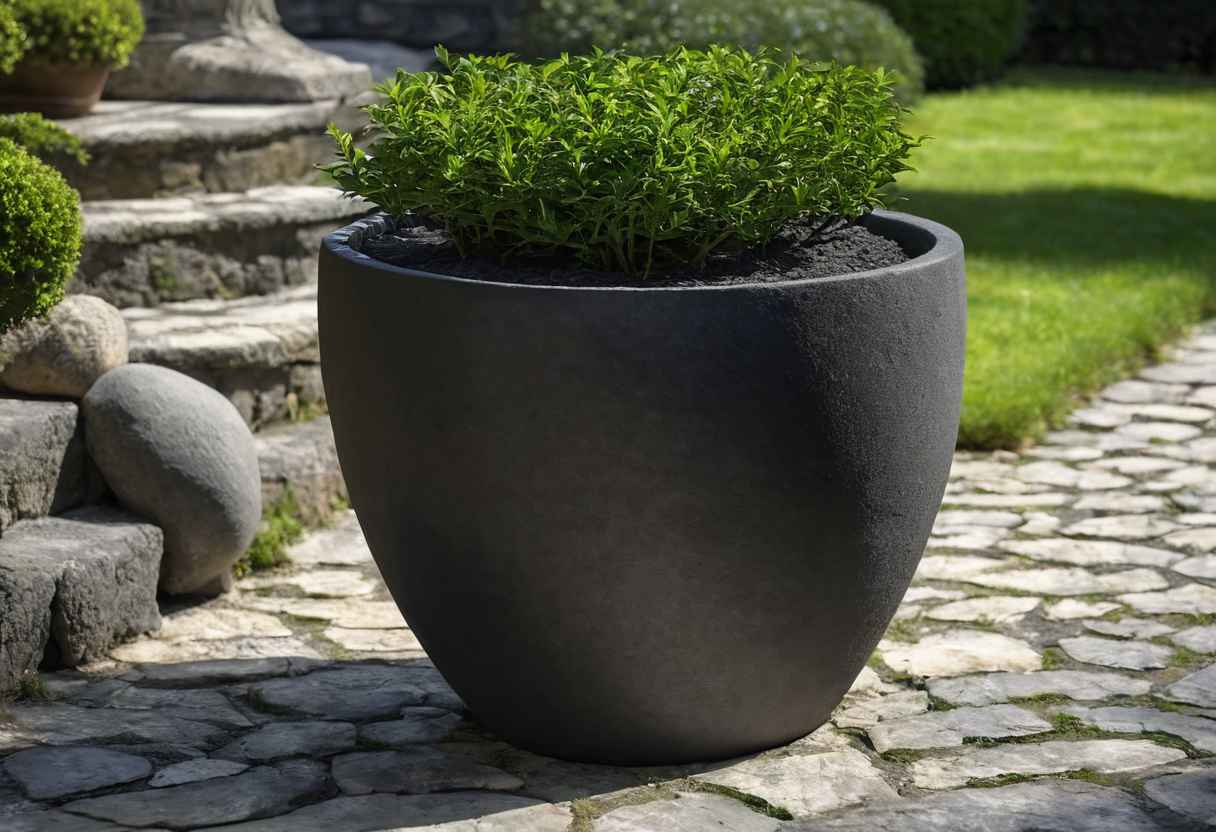
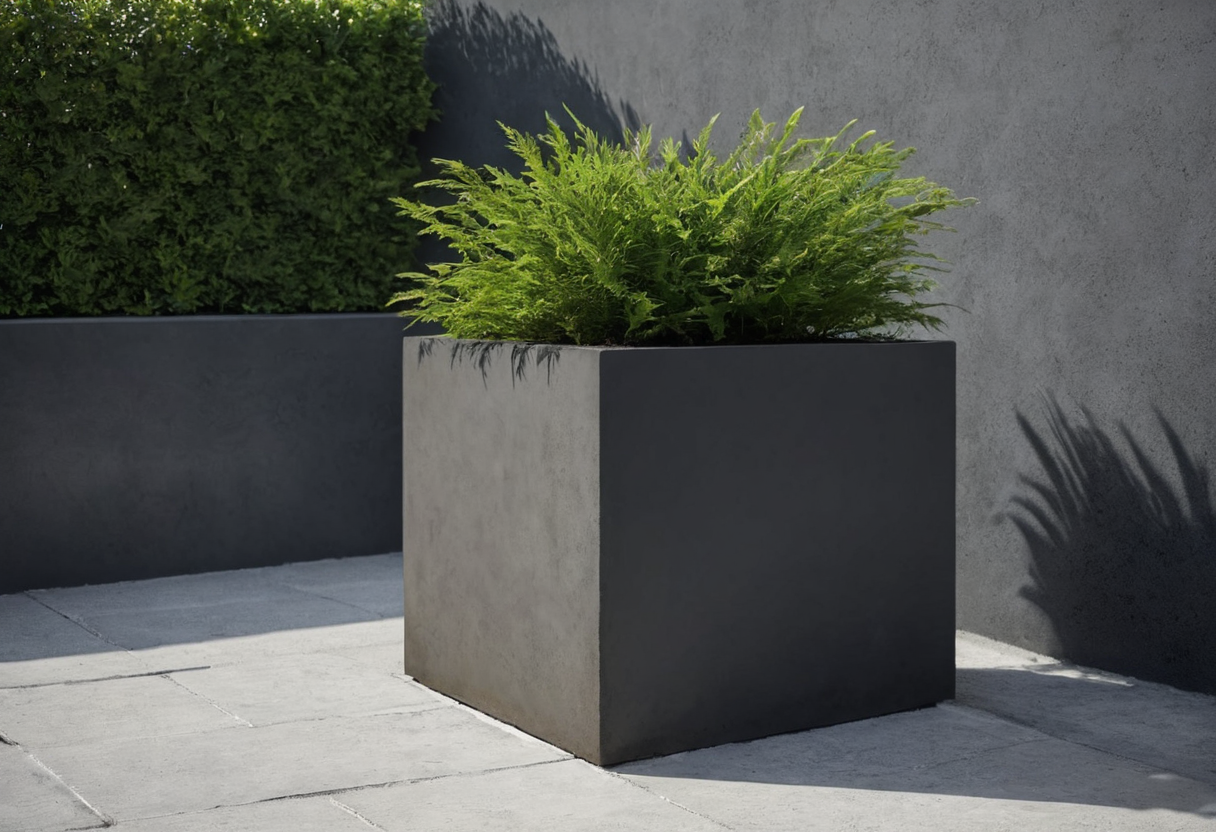
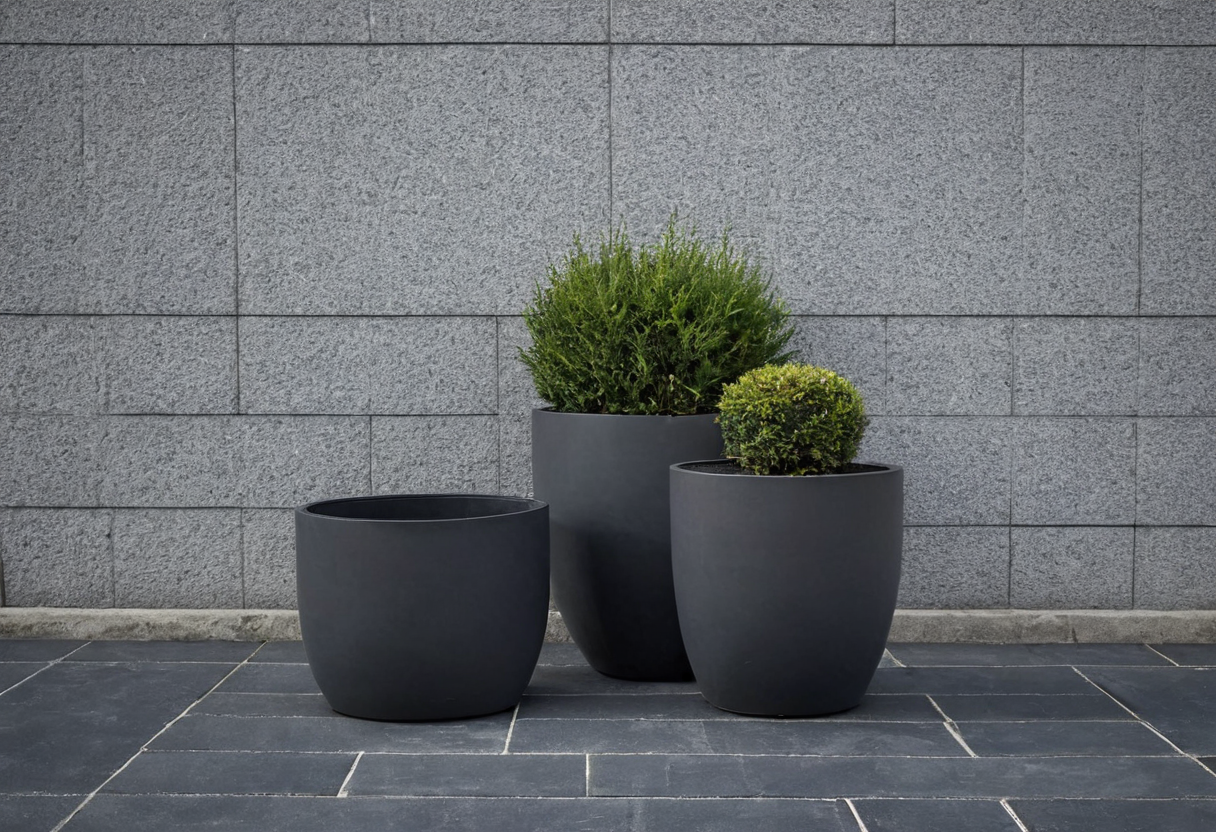
When browsing a commercial nursery catalogue, you may notice several container profiles listed under a single nominal dimension. Garden City Plastics groups multiple models around a 580-millimetre designation in its National Catalogue 2025. The round Advanced Tub stands 480 millimetres high, while the square version shares that height. A squat model drops to 400 millimetres, and a slimline option rises to 495 millimetres. Despite sharing the same leading number, heights and volumes differ across the profiles, while shapes produce distinct outlines.
The catalogue table uses a diameter symbol even for the square product entry. This formatting choice means readers cannot assume the stated number describes an identical floor footprint across every shape. Check the specific product details for each shape.
Comparing Outlines for Placement
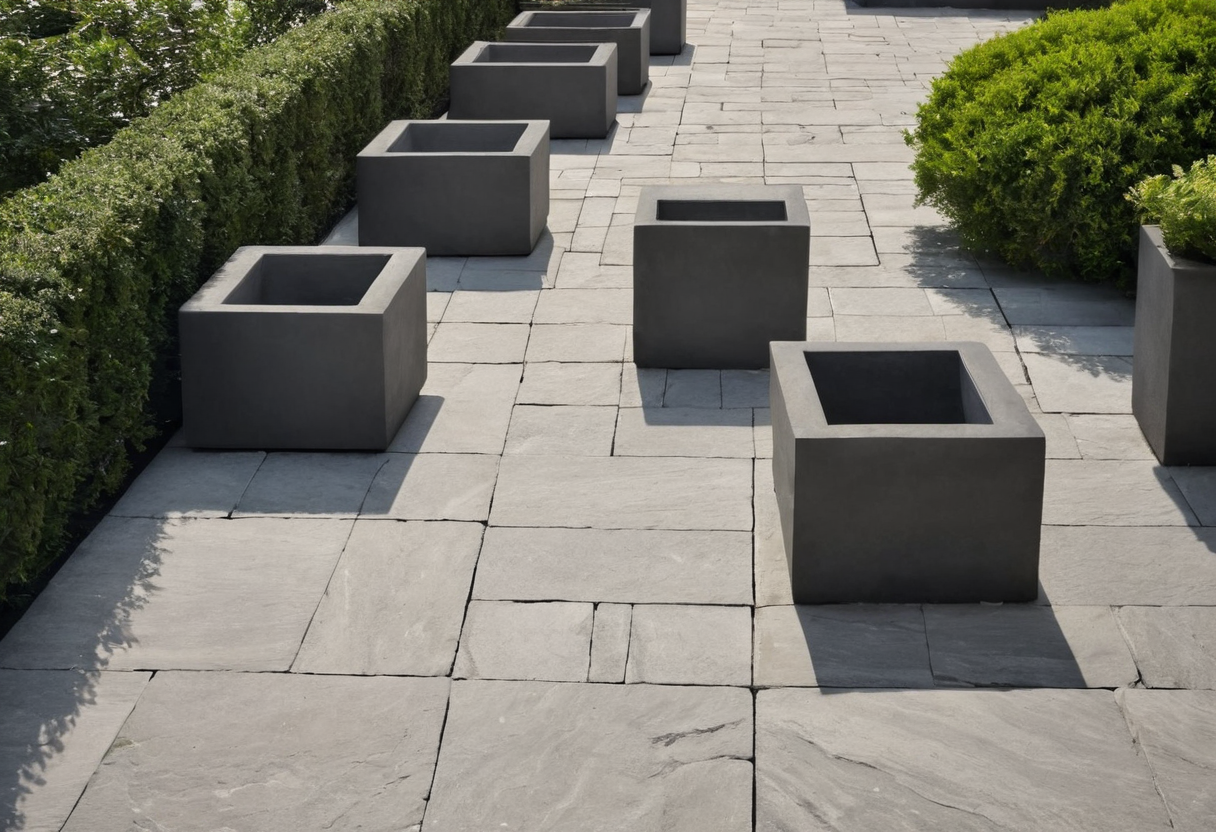
For placement decisions, focus on the shape of the occupied outline rather than relying solely on the nominal label or litre capacity. A square profile introduces corners into the arrangement, whereas a round profile presents a continuous curved edge. This distinction matters when positioning containers near walls or pathways. For a different approach to planting space, see built planters in published residential projects.
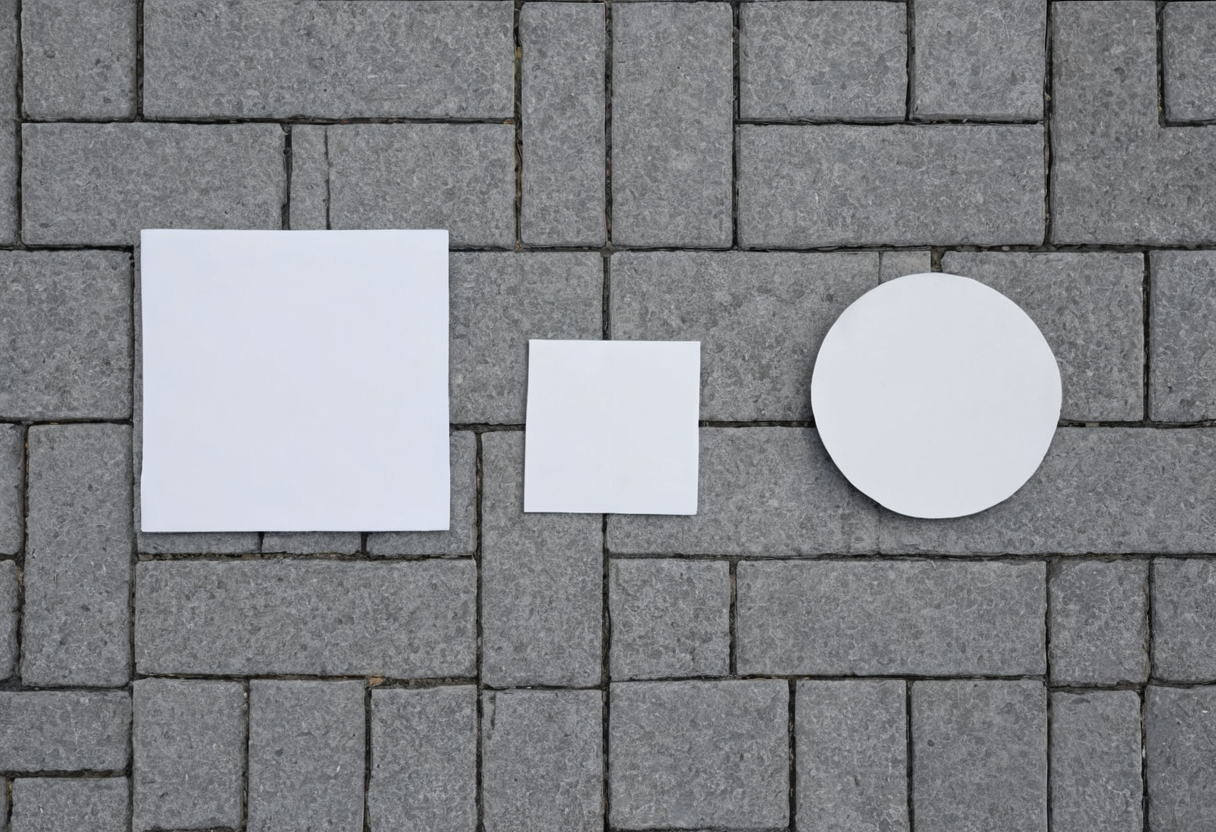
A practical method for evaluating these outlines involves cutting paper or cardboard templates matching the intended shapes. Place these templates directly on the paving at your chosen site. Measure the actual container once it arrives before finalising the layout. This approach mirrors the technique described in our patio table footprint guide for marking a furniture plan rectangle separately from movement.
Verifying Before Committing
Catalogue listings provide a starting framework for comparing available profiles. However, the stated numbers do not replace physical verification. Always confirm the exact outer boundaries, base dimensions, and features of the specific unit you intend to place.